
Applying to KAUST - Your Complete Guide for Masters & Ph.D. Programs (Upcoming Admissions)
Admissions Overview & Key Requirements

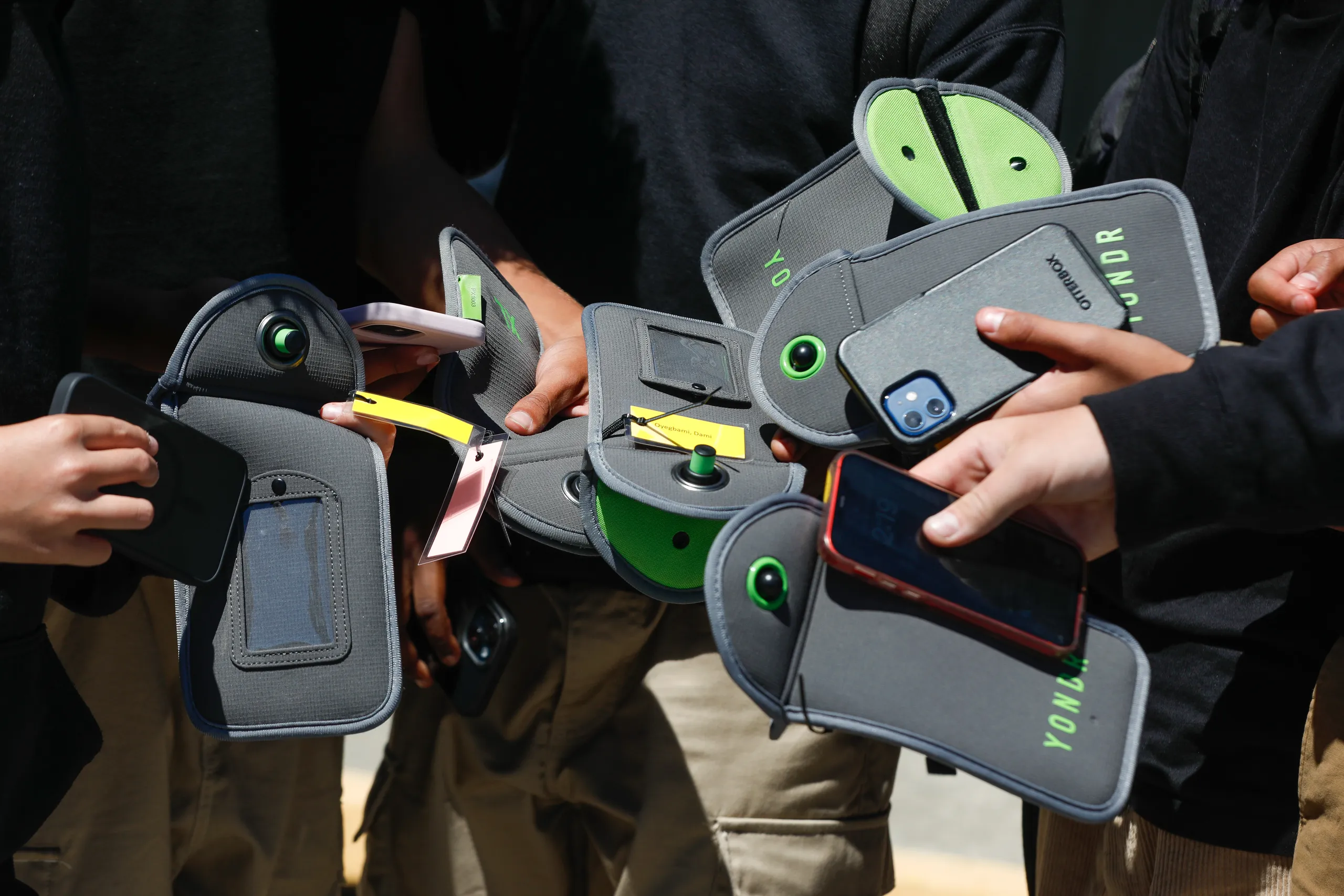
According to recent global monitoring, 58% of education systems worldwide have implemented national bans on mobile phones in schools. This figure has risen sharply over the past two years, reflecting governments’ growing concerns about digital risks.
The use of mobile phone bans in schools is increasing rapidly around the world. Based on the latest global monitoring, 114 education systems currently enforce such national bans, accounting for 58% of countries globally.
Data shows that this figure has climbed significantly in recent years. In June 2023, only 24% of countries had phone bans in place. By early 2025, this rose to 40%, and by March 2026, it increased by approximately another 20 percentage points, reaching 58%.
In recent months, several countries have joined this list. Bolivia, Costa Rica, Croatia, Georgia, the Maldives, and Malta have all introduced national-level restrictions on mobile phone use in schools since late 2025. The growing urgency of the issue is largely driven by concerns over declining attention in classrooms, cyberbullying, and the broader impact of the digital environment on children. Studies indicate that social media poses significant risks, particularly for adolescents. Girls are twice as likely as boys to suffer from eating disorders. At the same time, 32% of teenage girls reported feeling worse about their bodies after using social media.
Additionally, it has been noted that some platform algorithms frequently expose teenagers to harmful content. For example, such systems reportedly present body image-related content every 39 seconds and eating disorder-related material every 8 minutes.
The implementation of bans varies by country. In most cases, restrictions apply during school hours and within classroom settings. Some education systems allow phone use only for educational purposes or provide exceptions for students with special needs. However, experts emphasize that banning phones alone does not fully solve the problem. They argue that schools must also equip students with digital literacy, critical thinking, and safe internet usage skills.
As a result, the global debate is no longer limited to whether phones should be banned in schools. The key issue now is how to ensure that technology is used in a balanced and purposeful way within the education process.
Share
Applying to KAUST - Your Complete Guide for Masters & Ph.D. Programs (Upcoming Admissions)
Admissions Overview & Key Requirements

An mRNA cancer vaccine may offer long-term protection
A small clinical trial suggests the treatment could help keep pancreatic cancer from returning

Registration Opens for SAF 2025: International STEAM Azerbaijan Festival Welcomes Global Youth
The International STEAM Azerbaijan Festival (SAF) has officially opened registration for its 2025 edition!

Young Leaders Union Conference 2025 in Paris (Fully Funded)
Join Global Changemakers in Paris! Fully Funded International Conference for Students, Professionals, and Social Leaders from All Nationalities and Fields

Yer yürəsinin daxili nüvəsində struktur dəyişiklikləri aşkar edilib
bu nəzəriyyənin doğru olmadığı məlum olub. Seismik dalğalar vasitəsilə aparılan tədqiqatda daxili nüvənin səthindəki dəyişikliklərə dair qeyri-adi məlumatlar əldə edilib.

Lester B Pearson Scholarship 2026 in Canada (Fully Funded)
Applications are now open for the Lester B Pearson Scholarship 2026 at the University of Toronto!