Applying to KAUST - Your Complete Guide for Masters & Ph.D. Programs (Upcoming Admissions)
Admissions Overview & Key Requirements

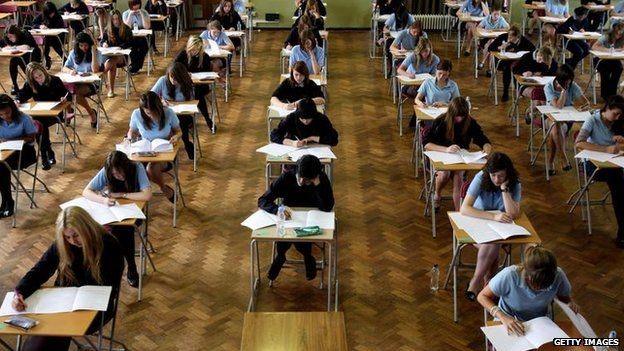
File: BBC
Ian Bauckham, head of Ofqual, said rapid technological development is creating new challenges for maintaining the integrity of the UK’s qualification system. He noted that mobile phones and smartwatches are already common tools used in exam malpractice, and that emerging devices could make cheating even harder to detect.
Speaking on an Ofqual podcast, Bauckham highlighted that smart glasses in development could display text directly inside the lens, allowing students to access hidden information during exams. He warned that this kind of technology could undermine the credibility of national qualifications if not properly controlled.
Ofqual said that internet-connected devices, including hidden earpieces and smart glasses, are already being marketed, while cases of exam malpractice involving mobile phones and smart devices continue to rise. Last summer alone, 2,225 cases were recorded in GCSE, AS, and A-level exams, making it the most common type of cheating since 2018.
Bauckham also raised concerns about the increasing difficulty teachers face in detecting AI-generated coursework. He said the regulator is reviewing how coursework is assessed and how to ensure students’ work is genuinely their own.
Possible measures include stricter referencing requirements and closer monitoring of student submissions. In more extreme discussions, officials have even considered reducing or removing coursework altogether, although the main goal remains ensuring that qualifications accurately reflect students’ real knowledge and skills.
Share
Applying to KAUST - Your Complete Guide for Masters & Ph.D. Programs (Upcoming Admissions)
Admissions Overview & Key Requirements

An mRNA cancer vaccine may offer long-term protection
A small clinical trial suggests the treatment could help keep pancreatic cancer from returning

Registration Opens for SAF 2025: International STEAM Azerbaijan Festival Welcomes Global Youth
The International STEAM Azerbaijan Festival (SAF) has officially opened registration for its 2025 edition!
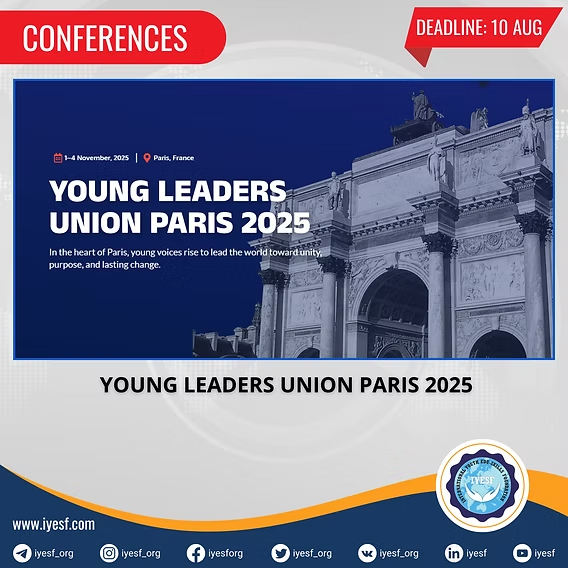
Young Leaders Union Conference 2025 in Paris (Fully Funded)
Join Global Changemakers in Paris! Fully Funded International Conference for Students, Professionals, and Social Leaders from All Nationalities and Fields

Yer yürəsinin daxili nüvəsində struktur dəyişiklikləri aşkar edilib
bu nəzəriyyənin doğru olmadığı məlum olub. Seismik dalğalar vasitəsilə aparılan tədqiqatda daxili nüvənin səthindəki dəyişikliklərə dair qeyri-adi məlumatlar əldə edilib.

Lester B Pearson Scholarship 2026 in Canada (Fully Funded)
Applications are now open for the Lester B Pearson Scholarship 2026 at the University of Toronto!