
Applying to KAUST - Your Complete Guide for Masters & Ph.D. Programs (Upcoming Admissions)
Admissions Overview & Key Requirements

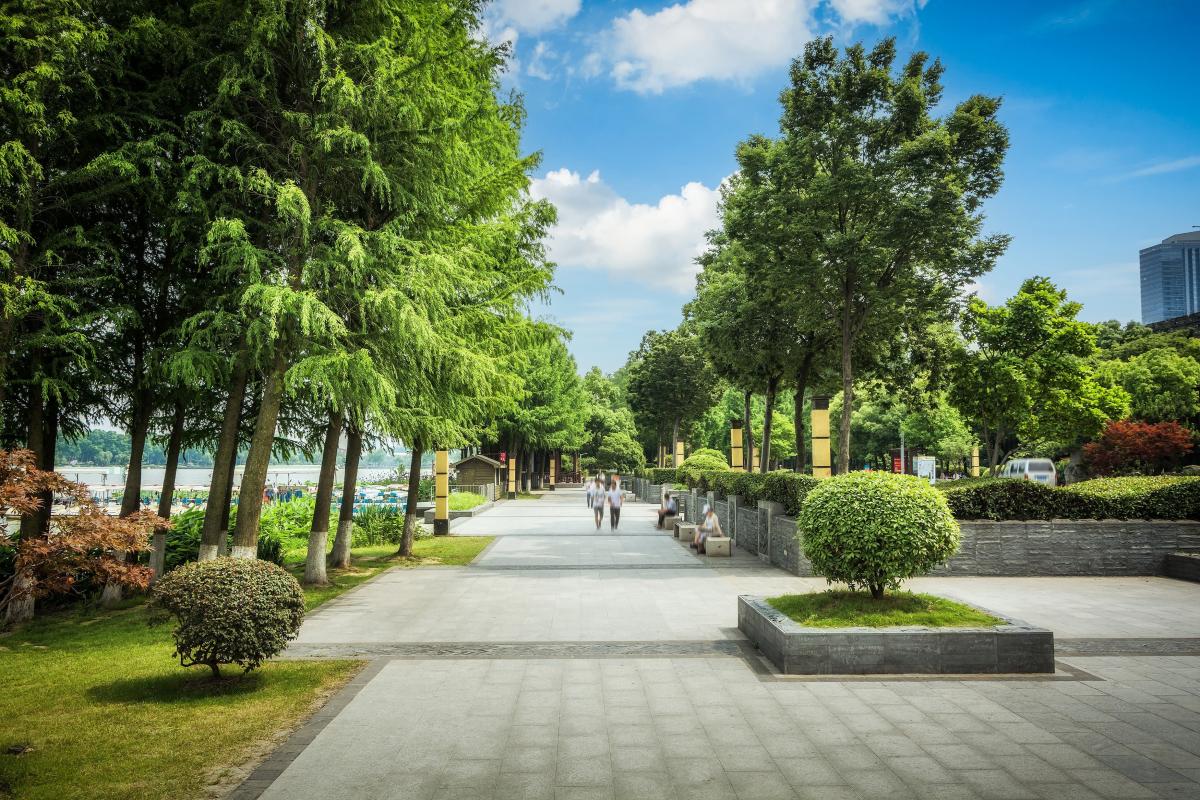
Trees in the city/ File: EU Environment
Cities worldwide are increasingly turning to urban greening as a response to rising temperatures. However, a new study shows that planting more trees alone may not be sufficient to cool urban environments effectively. In some cases, poorly designed greening strategies can even make streets feel less comfortable for residents.
An international study conducted in Melbourne, Munich, and Hong Kong examined how different types of vegetation influence the heat people experience in urban environments. The findings revealed that layered vegetation systems—where trees are combined with shrubs and ground-cover plants—often provide more effective cooling than areas planted with trees alone.
Why are cities getting hotter?
According to researchers, buildings, asphalt roads, and concrete surfaces absorb solar energy throughout the day and gradually release that heat back into the environment during the night. This process creates the so-called “urban heat island effect.” Combined with climate change, the urban heat island effect is making heatwaves more intense and dangerous in cities around the world.
As a result, many city authorities consider urban greening one of the most promising solutions. Trees help cool urban areas by providing shade and reducing the amount of heat absorbed by surrounding surfaces. However, the way people experience heat depends on more than air temperature alone.
Human thermal comfort is influenced by several factors, including direct sunlight, heat radiating from nearby surfaces, humidity, and airflow. Consequently, even a shaded street can feel uncomfortable if humidity levels are high or if air circulation is poor.
How was the study conducted?
Rather than relying solely on computer simulations, researchers carried out field measurements during the summer months in all three cities. They compared three types of urban environments:
The researchers measured not only air temperature but also “mean radiant temperature,” an indicator that reflects the heat emitted by roads, walls, and other surfaces onto the human body.
How much cooling can trees provide?
The results showed that street trees in Melbourne reduced the radiant heat experienced by pedestrians by more than 18°C compared with open urban spaces. Interestingly, even when air temperatures changed only slightly, shaded streets felt significantly cooler. Munich recorded the strongest benefits from layered vegetation systems. Areas containing trees, shrubs, and ground-cover plants reduced afternoon heat stress by nearly 8°C compared with more open locations. Vegetation also provided cooling benefits in Hong Kong, particularly through shade created by overlapping tree canopies. However, the results there were more complex than in the other cities.
When more greenery becomes a problem?
One of the study’s most notable findings was that more vegetation does not always lead to better outcomes. In highly humid cities such as Hong Kong, dense vegetation sometimes increased moisture levels in the air, reducing some of the cooling benefits. Through a process known as transpiration, plants release water vapor into the atmosphere. While this can provide cooling in dry climates, additional humidity in already humid environments may make outdoor spaces feel sticky and uncomfortable because sweat evaporates less efficiently.
In Munich, researchers found that dense vegetation in some narrow streets restricted airflow. As a result, warm air and vehicle-related pollutants remained trapped for longer periods. The authors emphasize that cities should avoid copying greening strategies from other locations without considering local conditions. Climate, street layout, and airflow patterns all influence whether vegetation improves comfort or creates unintended consequences.
How should cities respond?
Researchers stress that the solution is not to stop planting trees but to design urban greening projects more carefully.
In parks and open green spaces, layered vegetation can provide substantial cooling while also supporting biodiversity. In dense urban streets, however, planners may need to strike a balance between creating shade and maintaining adequate ventilation. The study also suggests that the success of urban greening should not be measured solely by the number of trees planted. The arrangement, density, and types of vegetation are just as important as overall canopy coverage.
According to the researchers, future cities will require climate-smart green spaces designed around local environmental conditions. Melbourne demonstrated the powerful cooling effect of street trees, Munich highlighted the advantages of layered vegetation, and Hong Kong showed that dense planting can sometimes produce unintended negative effects in humid climates. As global temperatures continue to rise, experts argue that urban greening projects must be tailored to local climate conditions, airflow patterns, and human comfort if cities are to remain livable in the decades ahead.
Source: The conversation
Share
Applying to KAUST - Your Complete Guide for Masters & Ph.D. Programs (Upcoming Admissions)
Admissions Overview & Key Requirements

An mRNA cancer vaccine may offer long-term protection
A small clinical trial suggests the treatment could help keep pancreatic cancer from returning

Registration Opens for SAF 2025: International STEAM Azerbaijan Festival Welcomes Global Youth
The International STEAM Azerbaijan Festival (SAF) has officially opened registration for its 2025 edition!
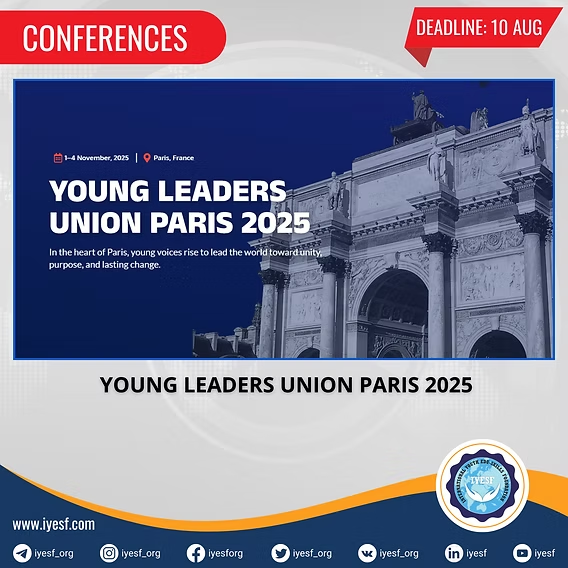
Young Leaders Union Conference 2025 in Paris (Fully Funded)
Join Global Changemakers in Paris! Fully Funded International Conference for Students, Professionals, and Social Leaders from All Nationalities and Fields

Yer yürəsinin daxili nüvəsində struktur dəyişiklikləri aşkar edilib
bu nəzəriyyənin doğru olmadığı məlum olub. Seismik dalğalar vasitəsilə aparılan tədqiqatda daxili nüvənin səthindəki dəyişikliklərə dair qeyri-adi məlumatlar əldə edilib.

Lester B Pearson Scholarship 2026 in Canada (Fully Funded)
Applications are now open for the Lester B Pearson Scholarship 2026 at the University of Toronto!