Applying to KAUST - Your Complete Guide for Masters & Ph.D. Programs (Upcoming Admissions)
Admissions Overview & Key Requirements

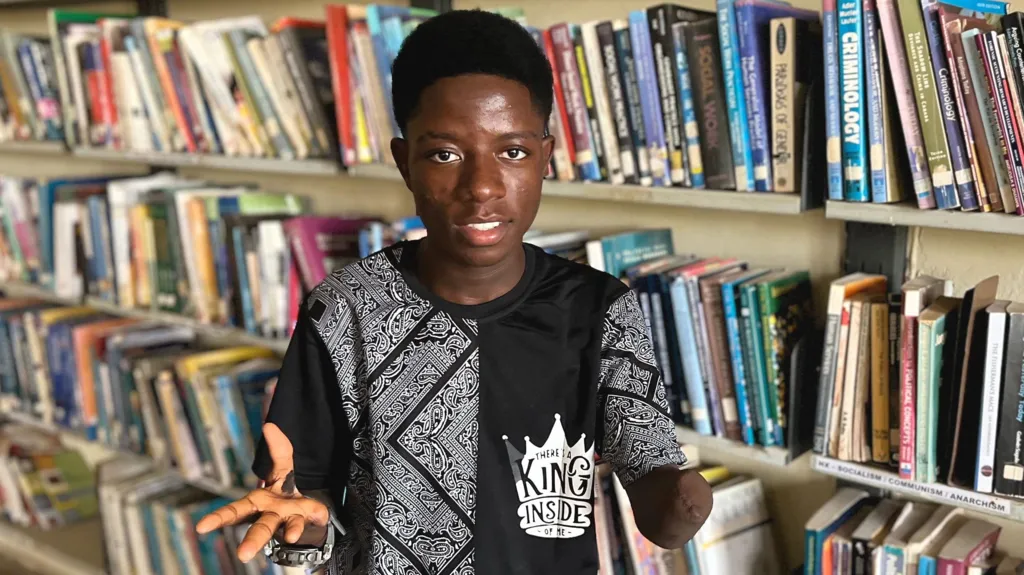
Ovey Friday / File: BBC
A Nigerian student who survived severe abuse as a child has overcome significant barriers to pursue higher education, in a story that highlights both personal resilience and systemic challenges. Ovey Friday, now 19, was just 13 when he was accused of witchcraft by his stepmother and taken to a traditional shrine in Nasarawa state, where he was tortured. According to his account to the BBC, the abuse left him with life-altering injuries.
“The herbalist brought charcoal, put something on my hands, tied my hands with my legs, added pepper into the charcoal, and covered me with a bedsheet,” he said.
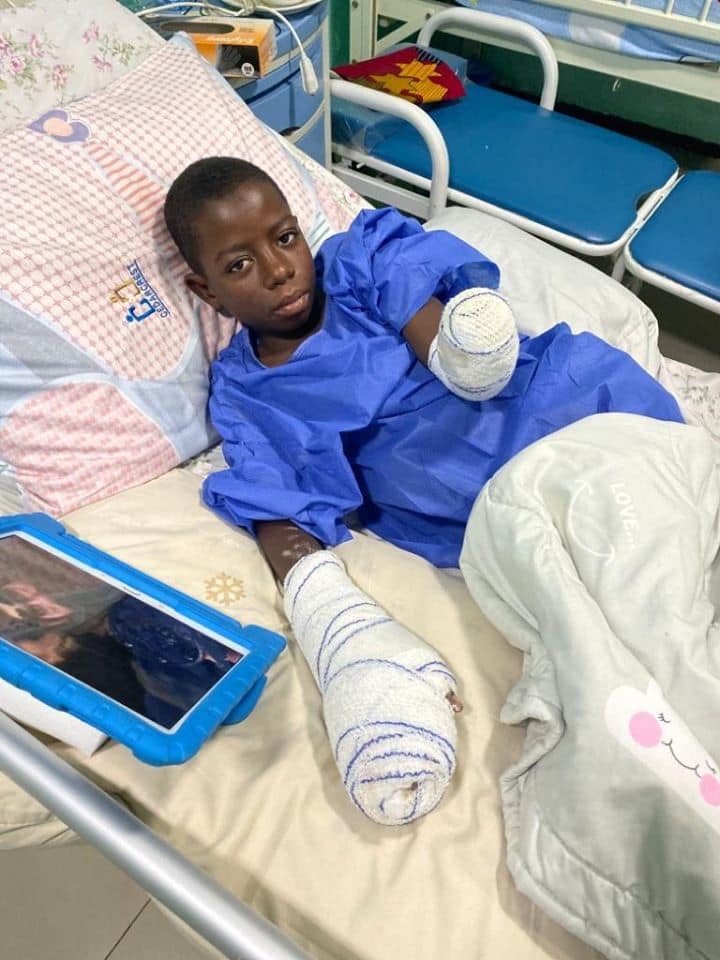
By the time a neighbour alerted police and he was taken to hospital, the damage was irreversible. Doctors were forced to amputate his left hand, while the fingers on his right hand were either removed or permanently scarred.
“I cried and I cried,” Friday recalled.
In the years that followed, he faced not only physical challenges but also social stigma, with people staring at or mocking him in public. Despite this, Friday remained determined to continue his education. However, he encountered further obstacles when he attempted to sit Nigeria’s university entrance examination. The biometric verification system, which relies on fingerprint identification, was unable to register his scarred hands. After intervention from a guardian and disability rights advocates, officials made an exception and allowed him to verify his identity using a toeprint. Friday has since secured admission to a university in Nasarawa, where he is studying English and literary studies. He is the first member of his family to attend university. Reflecting on his journey, he told the BBC that access to such opportunities is not guaranteed for everyone facing similar challenges.
“Not everyone has someone to push for them,” he said. “Some people will just stop trying.”
Share
Applying to KAUST - Your Complete Guide for Masters & Ph.D. Programs (Upcoming Admissions)
Admissions Overview & Key Requirements

An mRNA cancer vaccine may offer long-term protection
A small clinical trial suggests the treatment could help keep pancreatic cancer from returning

Registration Opens for SAF 2025: International STEAM Azerbaijan Festival Welcomes Global Youth
The International STEAM Azerbaijan Festival (SAF) has officially opened registration for its 2025 edition!
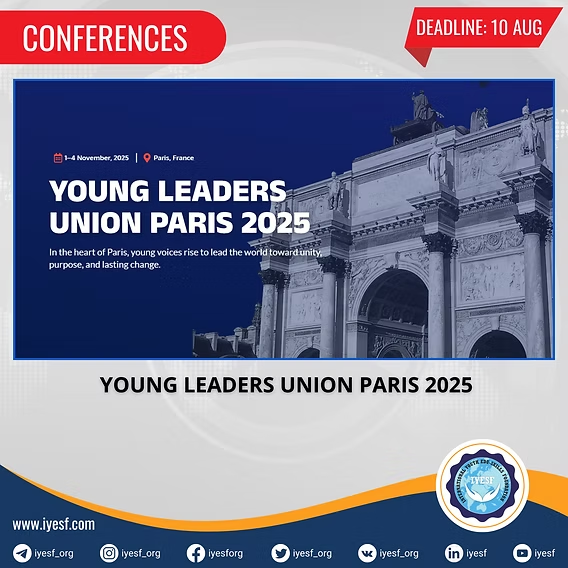
Young Leaders Union Conference 2025 in Paris (Fully Funded)
Join Global Changemakers in Paris! Fully Funded International Conference for Students, Professionals, and Social Leaders from All Nationalities and Fields

Yer yürəsinin daxili nüvəsində struktur dəyişiklikləri aşkar edilib
bu nəzəriyyənin doğru olmadığı məlum olub. Seismik dalğalar vasitəsilə aparılan tədqiqatda daxili nüvənin səthindəki dəyişikliklərə dair qeyri-adi məlumatlar əldə edilib.

Lester B Pearson Scholarship 2026 in Canada (Fully Funded)
Applications are now open for the Lester B Pearson Scholarship 2026 at the University of Toronto!