Applying to KAUST - Your Complete Guide for Masters & Ph.D. Programs (Upcoming Admissions)
Admissions Overview & Key Requirements

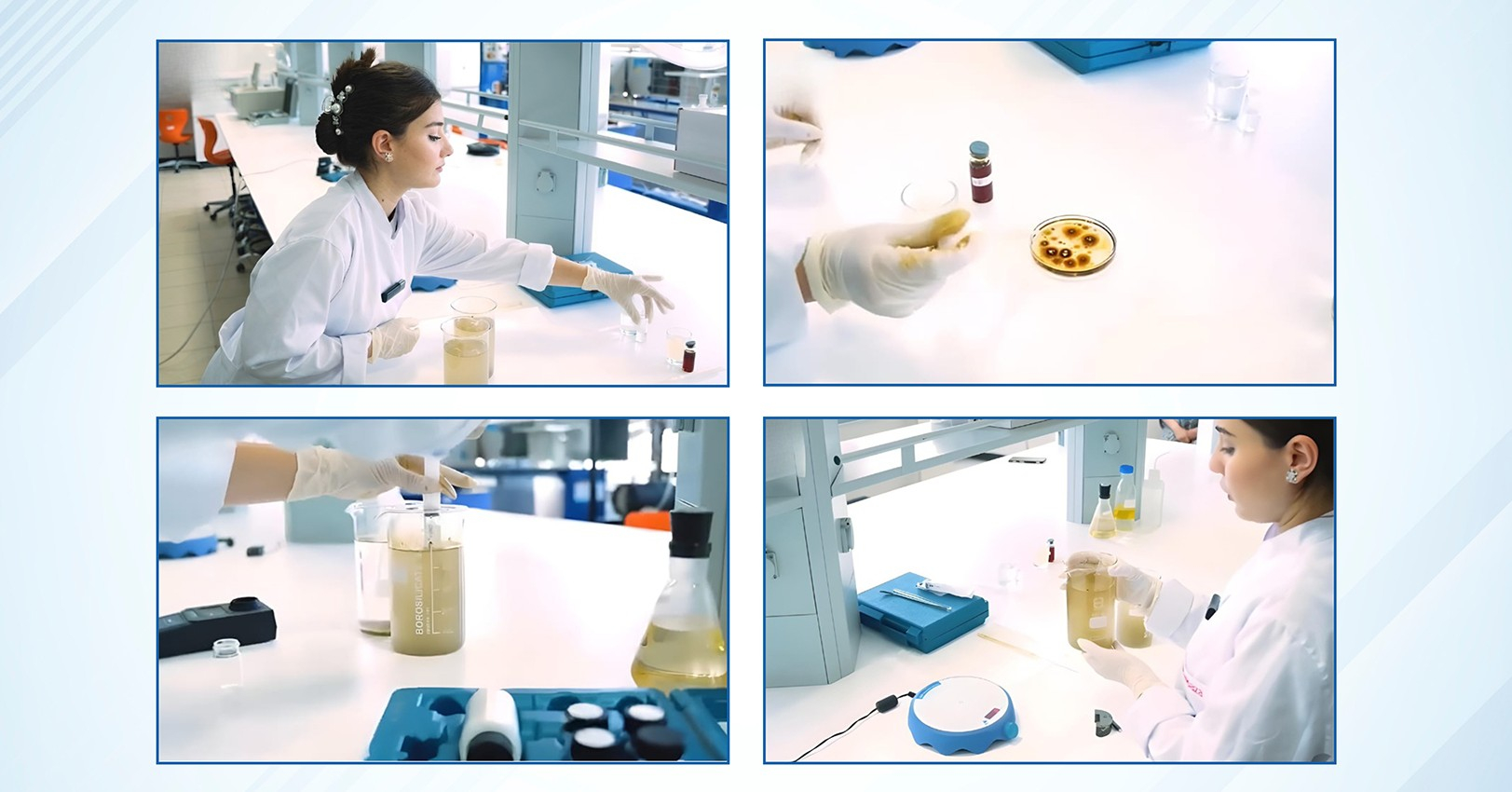
The project came to the attention of the Alkagesta team through the GUB Startup Platform, where it was presented under the "Skills for the Future" initiative. Following an assessment of its scientific potential, environmental impact, and contribution to fostering an entrepreneurial culture among young people in the Caucasus and Central Asia, Alkagesta decided to support the initiative as part of its broader ESG strategy and long-term investment in science-driven development.
Based in Azerbaijan, the Clean Caspian project focuses on addressing one of the most significant environmental risks associated with hydrocarbon extraction and transportation in the Caspian region oil pollution. Oil spills and hydrocarbon films on water surfaces can disrupt oxygen exchange, damage marine ecosystems, and negatively affect coastal communities.
To address these challenges, the project team is developing scalable and cost-effective scientific solutions. Research efforts are focused on environmentally safe coagulants and oil containment materials designed to improve the speed and efficiency of oil spill response operations. Current areas of study include biodegradable sorbents, nanomaterial-based oil collection systems, as well as advanced containment technologies such as boom barriers and skimmers.
One of the project's most promising developments is a new chemical solution capable of treating heavily contaminated water under a variety of environmental conditions. Preliminary laboratory findings indicate that just four grams of the substance can purify up to one ton of polluted water at a very low production cost, demonstrating strong potential for large-scale and industrial applications.
Research activities have been ongoing for more than two months, with initial results showing encouraging practical outcomes. The team is currently working on optimizing reagent synthesis and evaluating operational performance across different technical and environmental conditions.
Share
Applying to KAUST - Your Complete Guide for Masters & Ph.D. Programs (Upcoming Admissions)
Admissions Overview & Key Requirements

An mRNA cancer vaccine may offer long-term protection
A small clinical trial suggests the treatment could help keep pancreatic cancer from returning

Registration Opens for SAF 2025: International STEAM Azerbaijan Festival Welcomes Global Youth
The International STEAM Azerbaijan Festival (SAF) has officially opened registration for its 2025 edition!
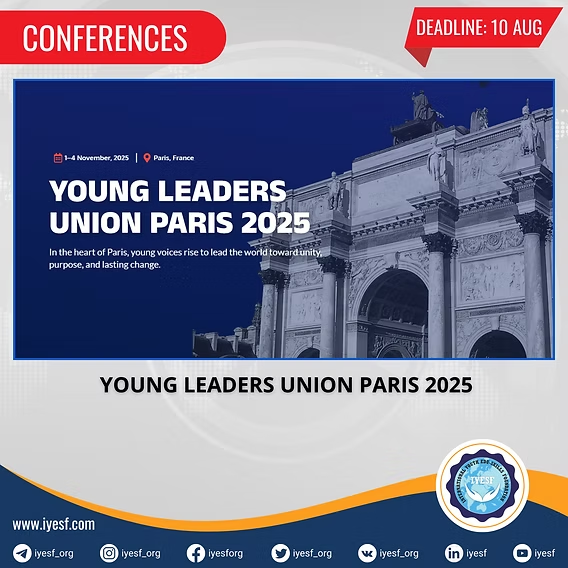
Young Leaders Union Conference 2025 in Paris (Fully Funded)
Join Global Changemakers in Paris! Fully Funded International Conference for Students, Professionals, and Social Leaders from All Nationalities and Fields

Yer yürəsinin daxili nüvəsində struktur dəyişiklikləri aşkar edilib
bu nəzəriyyənin doğru olmadığı məlum olub. Seismik dalğalar vasitəsilə aparılan tədqiqatda daxili nüvənin səthindəki dəyişikliklərə dair qeyri-adi məlumatlar əldə edilib.

Lester B Pearson Scholarship 2026 in Canada (Fully Funded)
Applications are now open for the Lester B Pearson Scholarship 2026 at the University of Toronto!