Applying to KAUST - Your Complete Guide for Masters & Ph.D. Programs (Upcoming Admissions)
Admissions Overview & Key Requirements

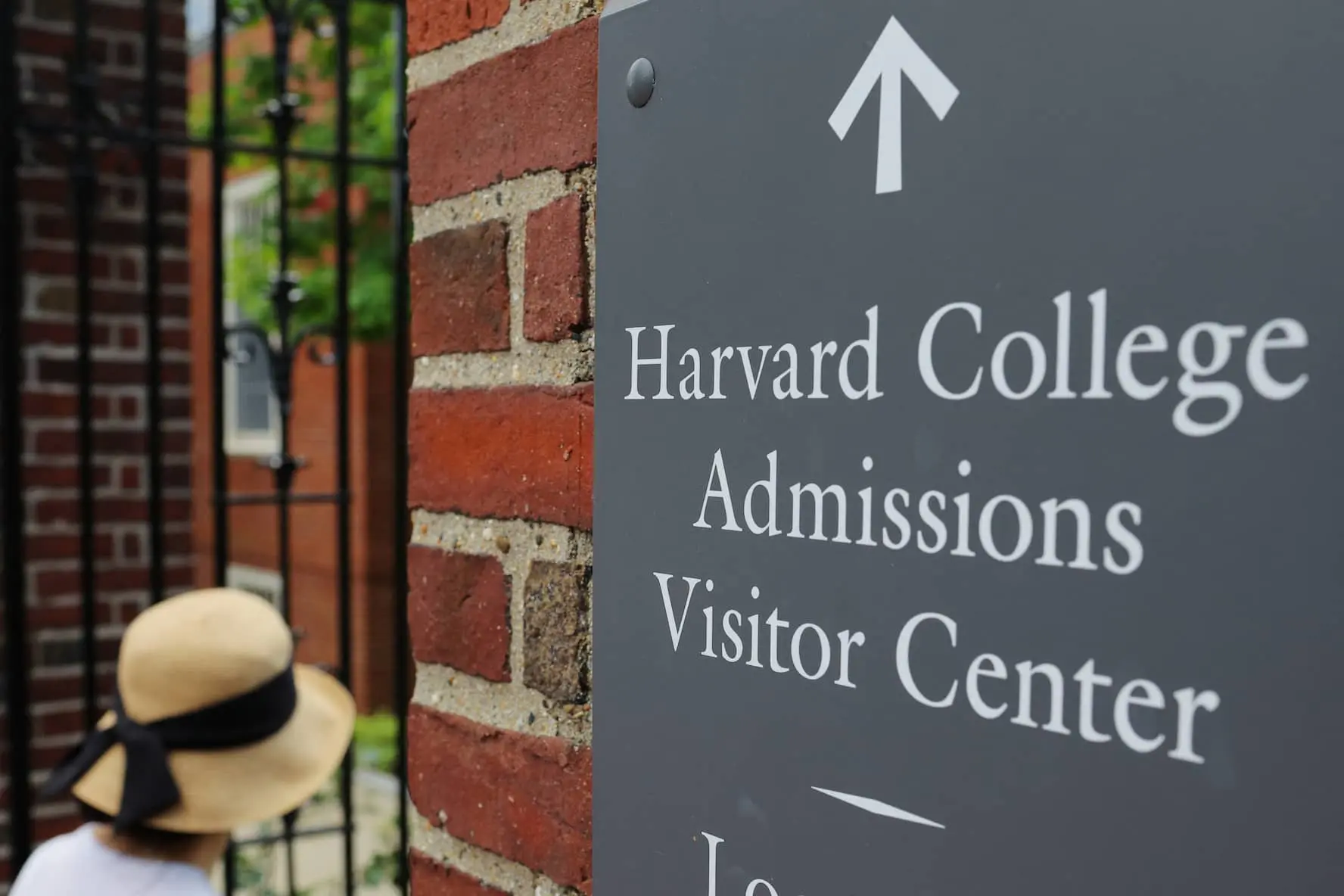
The 2025–2026 admissions cycle is becoming a historic turning point. Policy shifts, technological disruption, demographic changes, and new legal mandates are reshaping higher education.
For families, this creates a confusing set of contradictions: test scores are back in fashion, yet more than 1,800 colleges still don’t require them. Artificial intelligence (AI) may read your child’s essay, but students can be penalized for using AI themselves. International student numbers are shifting, while total application volume remains near record highs.
According to Forbes, here are the eight most important trends redefining college admissions — and what they mean for the future of higher education.
1. Standardized testing makes a comeback — but not everywhere
Many elite universities have ended their test-optional policies. Harvard, Yale, Dartmouth, and Caltech reinstated SAT/ACT requirements for the 2024–25 admissions cycle, officially closing the pandemic-era experiment.
According to Common App data, test score reporting rose by 11% in 2025 — the first significant increase since testing centers shut down in 2020.
Yet more than 1,800 institutions remain test-optional, creating a confusing two-track system. Families with resources can invest heavily in preparation, while lower-income students may face renewed disadvantages. Applicants are left navigating a patchwork of rules.
2. FAFSA’s rocky rollout and its lasting impact
The launch of the redesigned Free Application for Federal Student Aid (FAFSA) was widely criticized for technical failures and delays. As a result, first-time applicants dropped by 432,000 in 2024.
The consequences were uneven. Freshman enrollment among 18-year-olds declined, and financially vulnerable colleges struggled to fill seats. Meanwhile, community colleges experienced renewed growth, with fall 2025 enrollment rising approximately 3–4%, supported by increased dual enrollment and certificate programs. The financial aid system is stabilizing — but the disruption left lasting effects.
3. Redefining diversity after the supreme court ruling
After the Supreme Court ended race-conscious admissions, institutions quickly felt the effects.
At some highly selective universities, enrollment of Black and Hispanic students declined significantly. However, many of those students enrolled at slightly less-selective institutions, creating what researchers describe as a redistribution effect rather than a disappearance.
Colleges are now emphasizing socioeconomic background, personal experiences, and broader context in essay prompts and holistic review — aiming to maintain diversity within new legal boundaries.
4. AI enters the admissions office
With millions of applications submitted annually, admissions teams are increasingly turning to AI tools to manage volume. Some universities now use AI systems to scan and categorize essays in a fraction of the time human readers would need.
Supporters argue this improves efficiency and consistency. Critics question whether algorithms can truly evaluate authenticity, nuance, and personal voice — especially as students themselves experiment with generative AI tools. The result is a technological arms race shaping both sides of the process.
5. Shifting global interest in U.S. universities
American colleges have long depended on international applicants. Recent data shows overall international applications declining, with sharper drops in certain regions.
Admissions experts point to visa policies, geopolitical tensions, and perceptions about the U.S. climate for foreign students. Many applicants are increasingly considering alternatives such as Canada, the United Kingdom, and Australia. The shift raises financial and strategic questions for institutions reliant on international tuition revenue.
6. The hidden mental health strain of admissions
Behind acceptance rates and test scores lies a growing mental health concern.
Counselors report increased anxiety, depression, and emotional distress among students navigating a highly competitive and opaque admissions system. Social media comparisons and constant performance pressure amplify the stress. While policy reforms address structural issues, the emotional cost of admissions remains a serious and growing challenge.
7. Direct admissions: A new pathway to college
A growing number of institutions are bypassing the traditional application model. Through direct admissions programs, colleges proactively offer acceptance based on academic data.
More than 200 institutions now participate in such initiatives, and participation continues to expand. Millions of students receive admission and scholarship offers without submitting a formal application. For first-generation students, this can simplify access. Yet it also reshapes how students perceive selectivity, choice, and institutional value.
8. The quiet end of legacy admissions
Legacy preferences — once a longstanding tradition at many institutions — are steadily being eliminated.
Following renewed scrutiny after the Supreme Court decision, more colleges have discontinued policies favoring children of alumni. The move reflects changing political, social, and ethical expectations. Though less visible than other reforms, this shift signals a broader transformation in how merit and fairness are defined in college admissions.
Share
Applying to KAUST - Your Complete Guide for Masters & Ph.D. Programs (Upcoming Admissions)
Admissions Overview & Key Requirements

An mRNA cancer vaccine may offer long-term protection
A small clinical trial suggests the treatment could help keep pancreatic cancer from returning

Registration Opens for SAF 2025: International STEAM Azerbaijan Festival Welcomes Global Youth
The International STEAM Azerbaijan Festival (SAF) has officially opened registration for its 2025 edition!
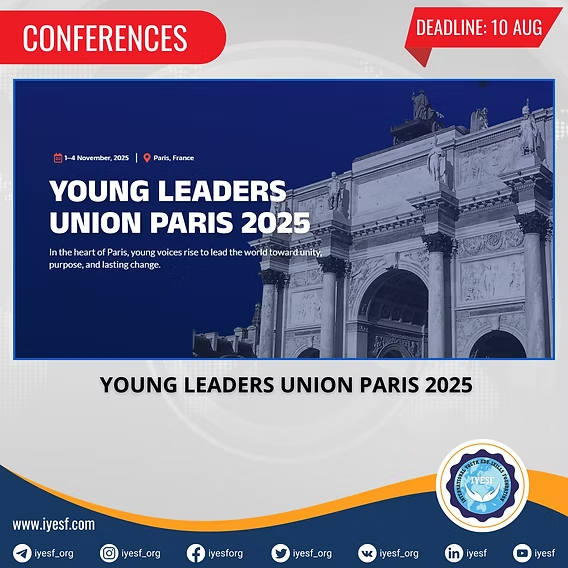
Young Leaders Union Conference 2025 in Paris (Fully Funded)
Join Global Changemakers in Paris! Fully Funded International Conference for Students, Professionals, and Social Leaders from All Nationalities and Fields

Yer yürəsinin daxili nüvəsində struktur dəyişiklikləri aşkar edilib
bu nəzəriyyənin doğru olmadığı məlum olub. Seismik dalğalar vasitəsilə aparılan tədqiqatda daxili nüvənin səthindəki dəyişikliklərə dair qeyri-adi məlumatlar əldə edilib.

Lester B Pearson Scholarship 2026 in Canada (Fully Funded)
Applications are now open for the Lester B Pearson Scholarship 2026 at the University of Toronto!